
First Aid and CPR Training
Workplace first aid, CPR and AED training for the trained responders OSHA expects on site when medical help is not close by.
What to Expect
OSHA requires that someone adequately trained to render first aid be available when a workplace is not in near proximity to an infirmary, clinic or hospital. We deliver first aid, CPR and AED training built for workplace responders rather than clinical staff — recognising a cardiac arrest, controlling serious bleeding, and managing the injuries that actually occur in industrial and construction settings until emergency services arrive.
- Standard
- 29 CFR 1910.151(b) — Medical services and first aid
- Who needs it
- Designated workplace responders, safety committee members and supervisors on sites without nearby medical facilities
- Covers
- Adult CPR, AED use, choking, bleeding control and workplace injury response
- Format
- Delivered onsite at your facility or job site, or by live virtual session with Q&A and documentation.
What 'near proximity' means in practice
OSHA does not put a number on it in the standard itself, but interpretation letters have treated response times of three to four minutes as the benchmark where serious injuries are possible. For most job sites and many plants, that means a trained responder on site is not optional. If you are unsure whether your facility qualifies, that assessment is worth doing before an incident answers the question.
Bleeding control deserves more attention than it gets
Severe bleeding can become fatal in a matter of minutes — faster than most emergency services can arrive. Direct pressure, wound packing and correct tourniquet use are simple skills that a lay responder can learn and apply, and on a site with moving equipment or cutting tools they are more likely to be needed than CPR.
What the course covers
- Scene safety, assessment and activating emergency response
- Adult CPR and rescue breathing
- AED operation and safe use
- Choking and airway obstruction
- Severe bleeding control, wound packing and tourniquet use
- Shock, burns, fractures and head injuries
- Sudden illness — cardiac, stroke and heat-related emergencies
- Bloodborne pathogen precautions under 29 CFR 1910.1030
- Meets 1910.151(b) Intent
- Adult CPR and AED
- Bleeding Control Skills
- Workplace-Focused Scenarios
- Group Sessions Onsite
- Onsite or Virtual Delivery
Trusted Since 2014
Disabled Veteran-Owned Small Business — serving clients nationwide.
Request a Free Consultation
Fill out the form below and we'll be in touch within one business day.
Other courses we deliver
- Workplace Safety TrainingHands-on and classroom safety training to build worker awareness and support OSHA-aligned job performance.
- Hazard Communication TrainingHazCom and GHS training covering labels, safety data sheets and your written program, per the 29 CFR 1910.1200 right-to-know requirements.
- Forklift Operator CertificationOSHA-compliant powered industrial truck training and evaluation for forklift operators, built around 29 CFR 1910.178(l).
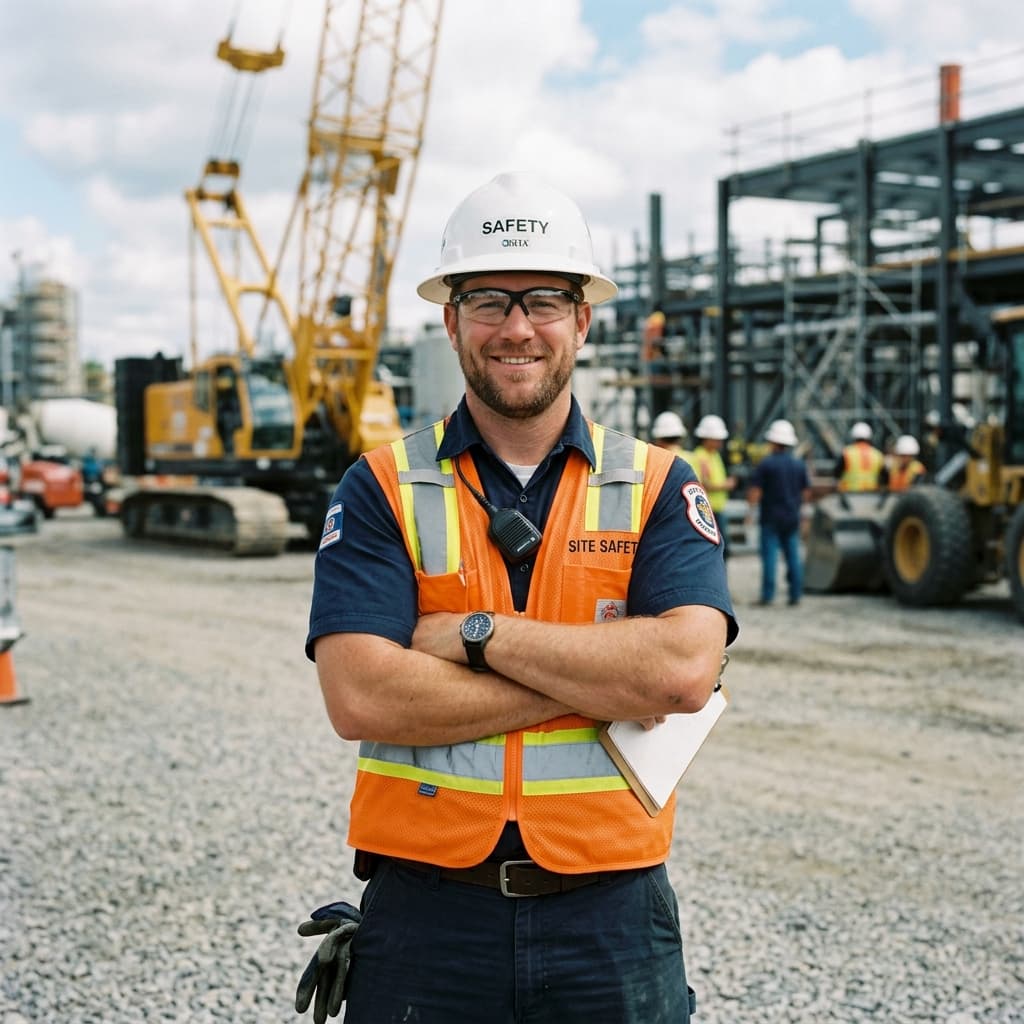
What Our Clients Said
- Expert Safety Training
- Customized Safety Programs
- OSHA Compliance Support
- Industrial Hygiene Surveys
- Onsite Safety Inspections
- Written Safety Program Development
“Brad and his team are very helpful and knowledgeable. They came to our job site and conducted safety training that was not only thorough and compliant, but genuinely engaging for our crew. I highly recommend BHG Safety Partners to any company that takes workplace safety seriously.”
First Aid and CPR Training Questions
We get a lot of the same great questions from new clients. Here are the answers to the ones we hear most often — if yours isn't listed, don't hesitate to reach out directly.
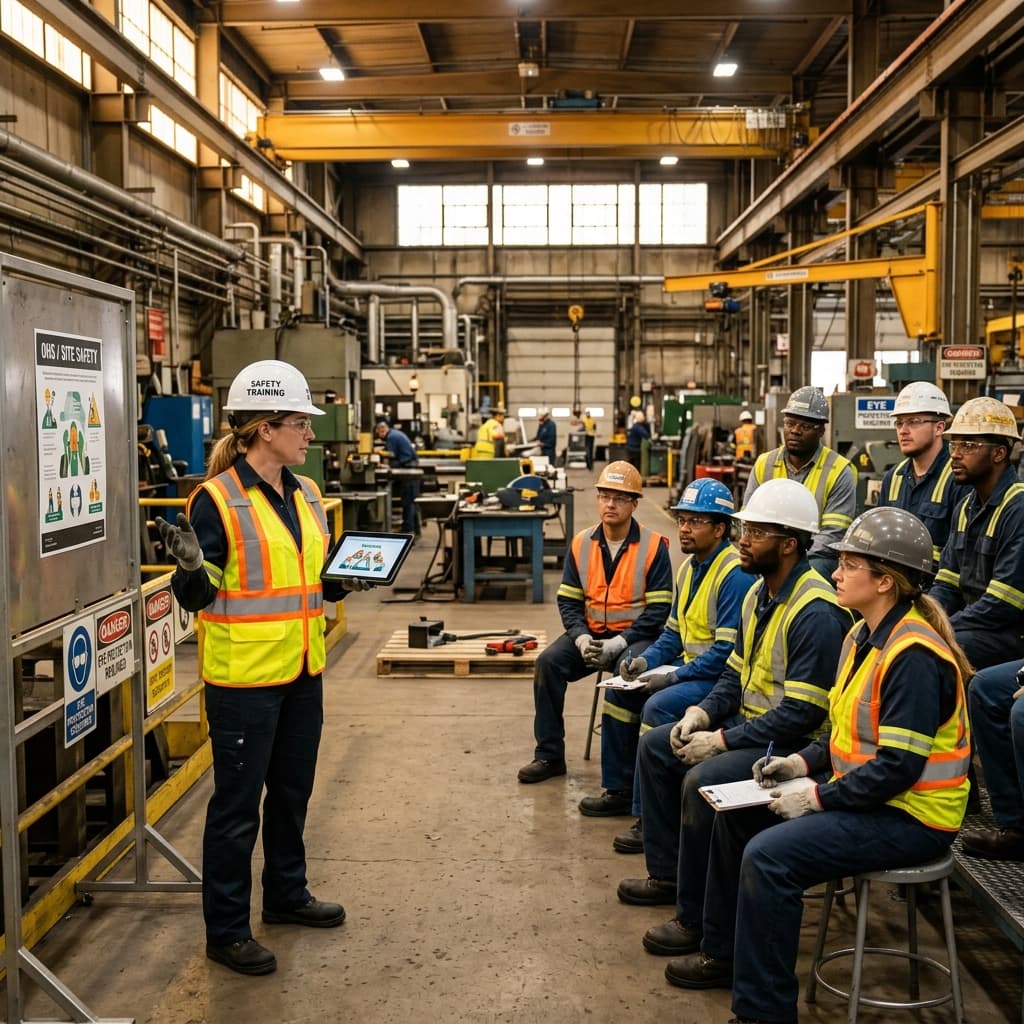
Onsite Safety Training Session