
Forklift Operator Certification Training
OSHA-compliant powered industrial truck training and evaluation for forklift operators, built around 29 CFR 1910.178(l).
What to Expect
OSHA requires every powered industrial truck operator to be trained and evaluated before operating a lift on their own. We deliver the formal instruction and hands-on practical training the standard calls for, then work with your supervisors on the performance evaluation that certifies each operator. Training is matched to the trucks your people actually run and the conditions of your site, because 29 CFR 1910.178(l) requires both truck-related and workplace-related topics.
- Standard
- 29 CFR 1910.178(l) — Powered Industrial Trucks, operator training
- Who needs it
- Anyone who operates a forklift, order picker, pallet jack or other powered industrial truck
- Recertification
- Evaluation at least once every three years, plus refresher training after an accident, near miss, unsafe operation, or a change in equipment or workplace conditions
- Format
- Delivered onsite at your facility or job site, or by live virtual session with Q&A and documentation.
Training and evaluation are not the same thing
The standard has three parts: formal instruction, practical training, and an evaluation of the operator's performance in the workplace. An online-only course satisfies the first part and none of the others. We cover the classroom portion, run the hands-on practical on your equipment, and document the evaluation so your records stand up if OSHA asks to see them.
Trained on the trucks your crew actually operates
A sit-down counterbalance lift on a warehouse floor and a rough-terrain lift on a job site carry different hazards, and the standard expects training to reflect that. We tailor the truck-related topics to the classes of equipment in your fleet and the workplace-related topics to your surfaces, load types, pedestrian traffic, and any hazardous locations.
What the course covers
- Operating instructions, warnings and precautions for the trucks in your fleet
- Differences between a powered industrial truck and an automobile
- Controls, instrumentation, engine and motor operation
- Steering, maneuvering, visibility and load manipulation
- Capacity, stability and the stability triangle
- Inspection and maintenance the operator is required to perform
- Refueling or charging and recharging batteries
- Site-specific hazards: surface conditions, pedestrian traffic, ramps, narrow aisles
- Meets 1910.178(l) Requirements
- Hands-On Practical Training
- Performance Evaluation Support
- Trained on Your Equipment
- Written Documentation
- Onsite or Virtual Delivery
Trusted Since 2014
Disabled Veteran-Owned Small Business — serving clients nationwide.
Request a Free Consultation
Fill out the form below and we'll be in touch within one business day.
Other courses we deliver
- Workplace Safety TrainingHands-on and classroom safety training to build worker awareness and support OSHA-aligned job performance.
- OSHA 10-Hour ConstructionTen-hour construction safety training covering the Focus Four hazards and the 29 CFR 1926 requirements entry-level crews work under.
- OSHA 30-Hour ConstructionThirty-hour construction safety training for supervisors and foremen, covering hazard control and employer duties under 29 CFR 1926.
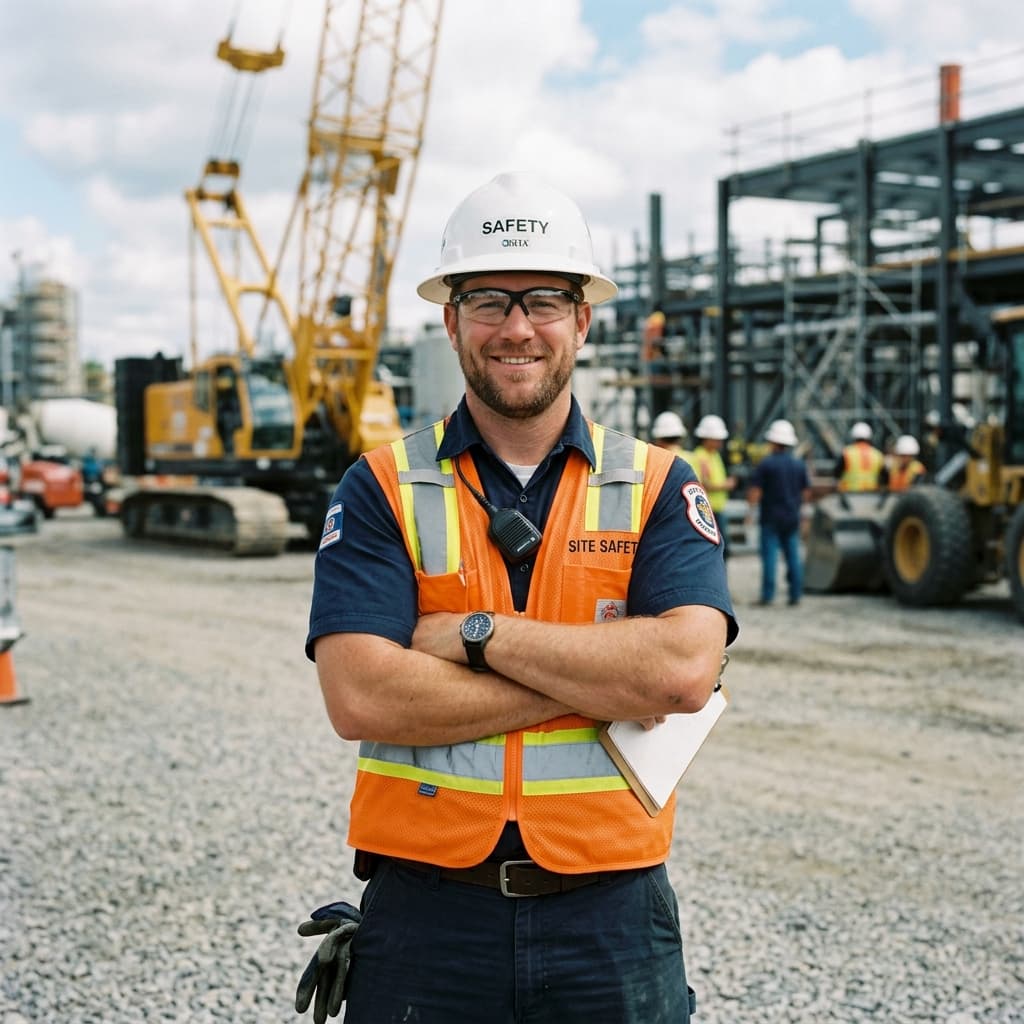
What Our Clients Said
- Expert Safety Training
- Customized Safety Programs
- OSHA Compliance Support
- Industrial Hygiene Surveys
- Onsite Safety Inspections
- Written Safety Program Development
“Brad and his team are very helpful and knowledgeable. They came to our job site and conducted safety training that was not only thorough and compliant, but genuinely engaging for our crew. I highly recommend BHG Safety Partners to any company that takes workplace safety seriously.”
Forklift Operator Certification Questions
We get a lot of the same great questions from new clients. Here are the answers to the ones we hear most often — if yours isn't listed, don't hesitate to reach out directly.
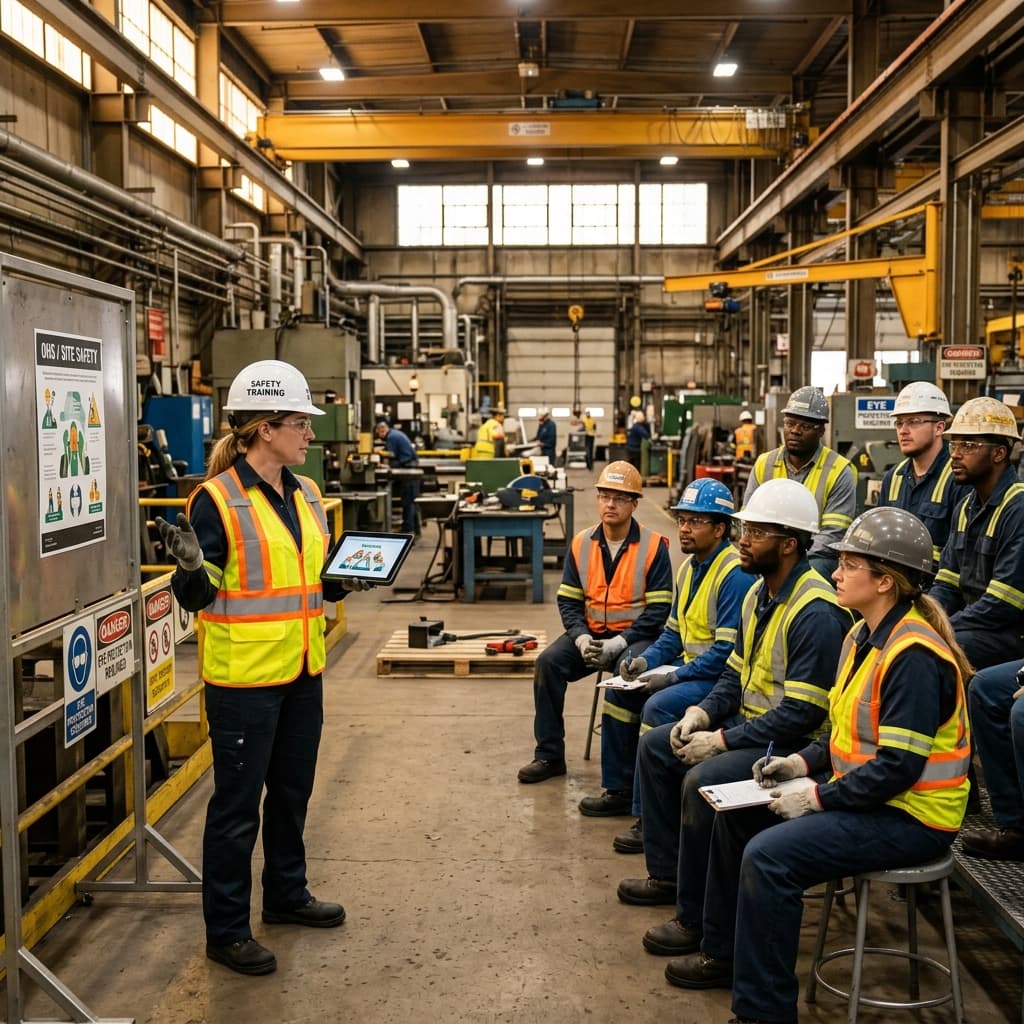
Onsite Safety Training Session