
OSHA 10-Hour Construction Safety Training
Ten-hour construction safety training covering the Focus Four hazards and the 29 CFR 1926 requirements entry-level crews work under.
What to Expect
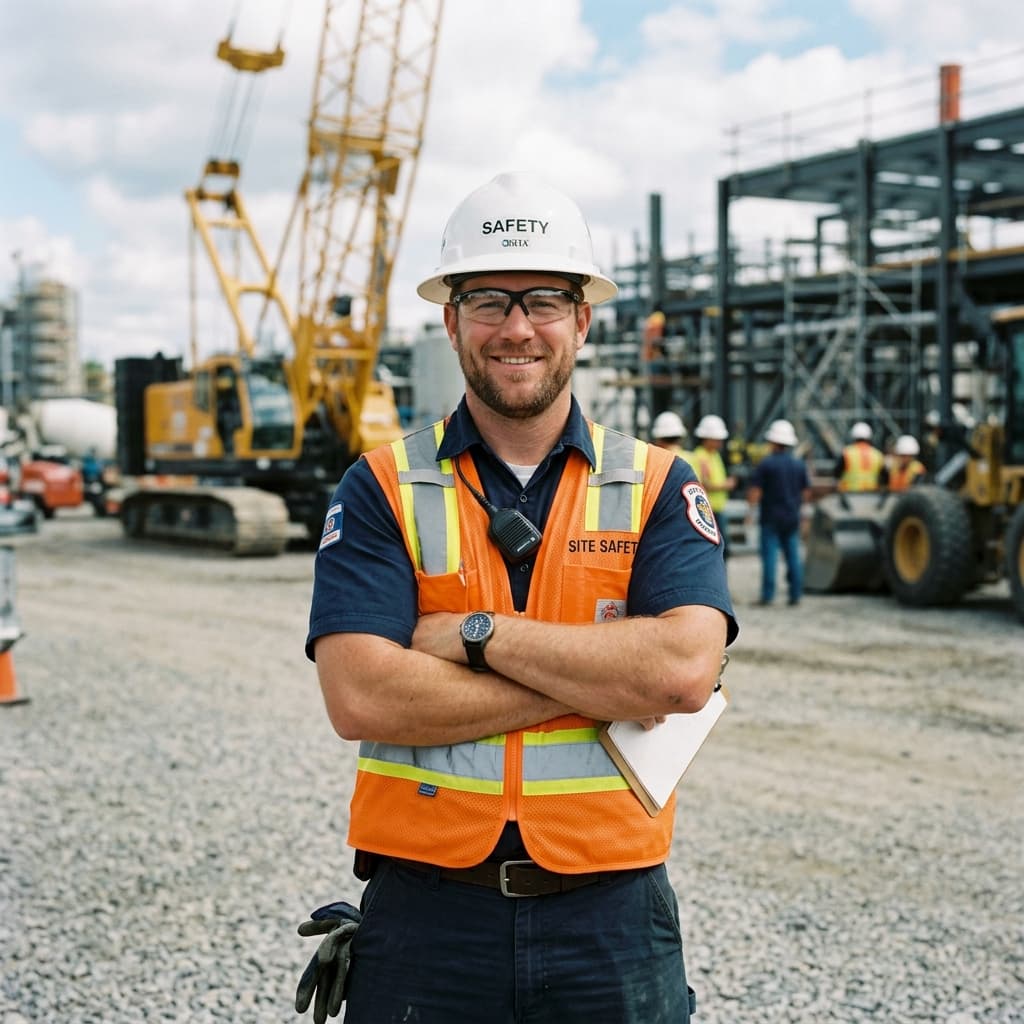
The OSHA 10-hour construction course is aimed at entry-level workers and covers the hazards that cause the majority of construction fatalities. It is built around the Focus Four — falls, struck-by, caught-in or between, and electrocution — which together account for most deaths on construction sites. Many general contractors and several states require a 10-hour card before a worker sets foot on site, and we deliver the course to crews at your job site or by live virtual session.
- Standard
- 29 CFR 1926 — Construction industry standards
- Who it's for
- Entry-level construction workers and anyone new to the trades
- Focus Four
- Falls, struck-by, caught-in/between, electrocution — the leading causes of construction fatalities
- Format
- Delivered onsite at your facility or job site, or by live virtual session with Q&A and documentation.
Why the Focus Four drives the curriculum
OSHA built the outreach curriculum around the four hazard categories responsible for the largest share of construction deaths. Falls alone account for more fatalities than any other single cause in the industry. The 10-hour course spends the bulk of its time on these four, then covers the supporting topics — personal protective equipment, health hazards, and workers' rights — that give a new worker the context to recognise a hazard before it becomes an incident.
Training a crew rather than a classroom
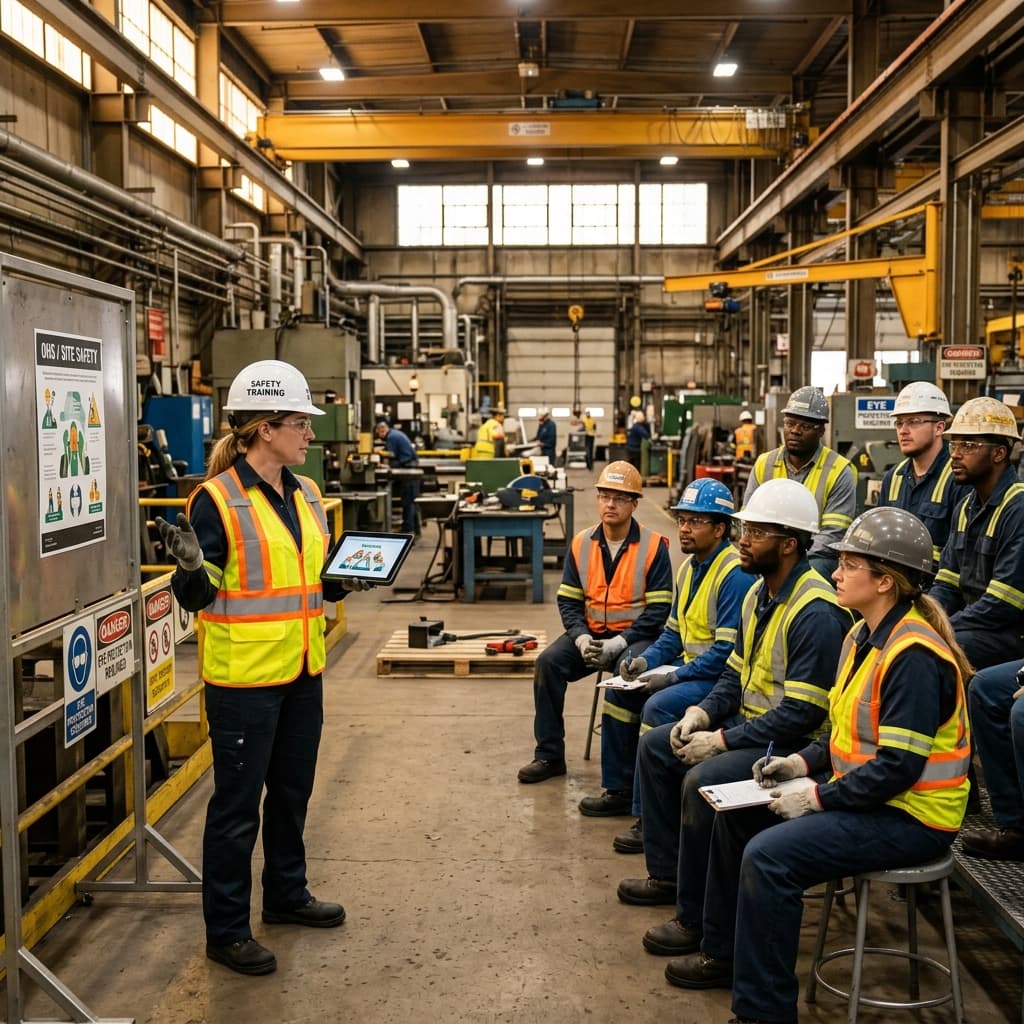
We deliver the course onsite wherever possible, because a new worker learns fall protection faster standing next to the leading edge they will be working near than looking at a slide. Running it at your job site also means the examples, the equipment and the site conditions are the ones your crew will see the next morning.
What the course covers
- Introduction to OSHA, worker rights and employer responsibilities
- Fall protection — guardrails, personal fall arrest, and safe use of ladders and scaffolds
- Struck-by hazards — vehicles, falling and flying objects, masonry walls
- Caught-in or between hazards — trenching, excavation and equipment
- Electrocution hazards — overhead lines, power tools and lockout/tagout
- Personal protective equipment selection, use and limitations
- Health hazards in construction, including silica and noise
- How to file a complaint and what happens during an OSHA inspection
- Focus Four Coverage
- Built on 29 CFR 1926
- Entry-Level Appropriate
- Delivered at Your Job Site
- Crew-Sized Sessions
- Onsite or Virtual Delivery
Trusted Since 2014
Disabled Veteran-Owned Small Business — serving clients nationwide.
Request a Free Consultation
Fill out the form below and we'll be in touch within one business day.
Other courses we deliver
- Workplace Safety TrainingHands-on and classroom safety training to build worker awareness and support OSHA-aligned job performance.
- OSHA 30-Hour ConstructionThirty-hour construction safety training for supervisors and foremen, covering hazard control and employer duties under 29 CFR 1926.
- OSHA 10-Hour General IndustryTen-hour general industry safety training for entry-level workers in manufacturing, warehousing and distribution, built on 29 CFR 1910.
What Our Clients Said
- Expert Safety Training
- Customized Safety Programs
- OSHA Compliance Support
- Industrial Hygiene Surveys
- Onsite Safety Inspections
- Written Safety Program Development
“Brad and his team are very helpful and knowledgeable. They came to our job site and conducted safety training that was not only thorough and compliant, but genuinely engaging for our crew. I highly recommend BHG Safety Partners to any company that takes workplace safety seriously.”
OSHA 10-Hour Construction Questions
We get a lot of the same great questions from new clients. Here are the answers to the ones we hear most often — if yours isn't listed, don't hesitate to reach out directly.
Onsite Safety Training Session