
Confined Space Entry Training
Permit-required confined space training for entrants, attendants and entry supervisors, built on 29 CFR 1910.146 and 1926 Subpart AA.
What to Expect
Confined spaces kill people who were trying to help. A significant share of confined space fatalities are would-be rescuers who entered without training or equipment, which is why the standard assigns distinct duties to the entrant, the attendant and the entry supervisor. We train all three roles, cover permit systems and atmospheric testing, and work through what your written program has to contain.
- Standards
- 29 CFR 1910.146 (general industry) and 29 CFR 1926 Subpart AA (construction)
- Roles covered
- Authorised entrant, attendant and entry supervisor
- Who needs it
- Anyone entering, attending or supervising entry into a permit-required confined space
- Format
- Delivered onsite at your facility or job site, or by live virtual session with Q&A and documentation.
Three roles, three sets of duties
The entrant is responsible for recognising hazards and evacuating when told to. The attendant stays outside, maintains a count of who is inside, monitors conditions and orders evacuation — and must never enter to attempt a rescue unless relieved. The entry supervisor authorises the permit, verifies the conditions and terminates entry. Training that blurs these roles is a large part of why confined space incidents cascade into multiple fatalities.
Identifying which spaces need a permit
A confined space is one large enough to enter, with limited means of entry or exit, and not designed for continuous occupancy. It becomes permit-required if it contains a hazardous atmosphere, engulfment potential, an internal configuration that could trap or asphyxiate, or any other recognised serious hazard. We help you work through your facility and classify the spaces before an incident makes the classification for you.
Rescue cannot be an afterthought
The standard requires rescue and emergency services to be arranged before entry, with the employer having evaluated whether they can respond in time. Relying on a call to the local fire department without confirming their capability and response time is a gap regulators look for specifically.
What the course covers
- Identifying and classifying confined and permit-required confined spaces
- Entrant, attendant and entry supervisor duties
- Atmospheric hazards — oxygen deficiency and enrichment, flammability, toxicity
- Atmospheric testing, monitoring order and instrument use
- Ventilation, isolation, lockout/tagout and engulfment control
- Entry permits — what they must contain and who authorises them
- Retrieval systems and non-entry rescue
- Emergency response planning and evaluating rescue capability
- All Three Entry Roles
- Permit System Guidance
- Atmospheric Testing
- Space Classification Help
- Rescue Planning Coverage
- Onsite or Virtual Delivery
Trusted Since 2014
Disabled Veteran-Owned Small Business — serving clients nationwide.
Request a Free Consultation
Fill out the form below and we'll be in touch within one business day.
Other courses we deliver
- Workplace Safety TrainingHands-on and classroom safety training to build worker awareness and support OSHA-aligned job performance.
- First Aid and CPR TrainingWorkplace first aid, CPR and AED training for the trained responders OSHA expects on site when medical help is not close by.
- Hazard Communication TrainingHazCom and GHS training covering labels, safety data sheets and your written program, per the 29 CFR 1910.1200 right-to-know requirements.
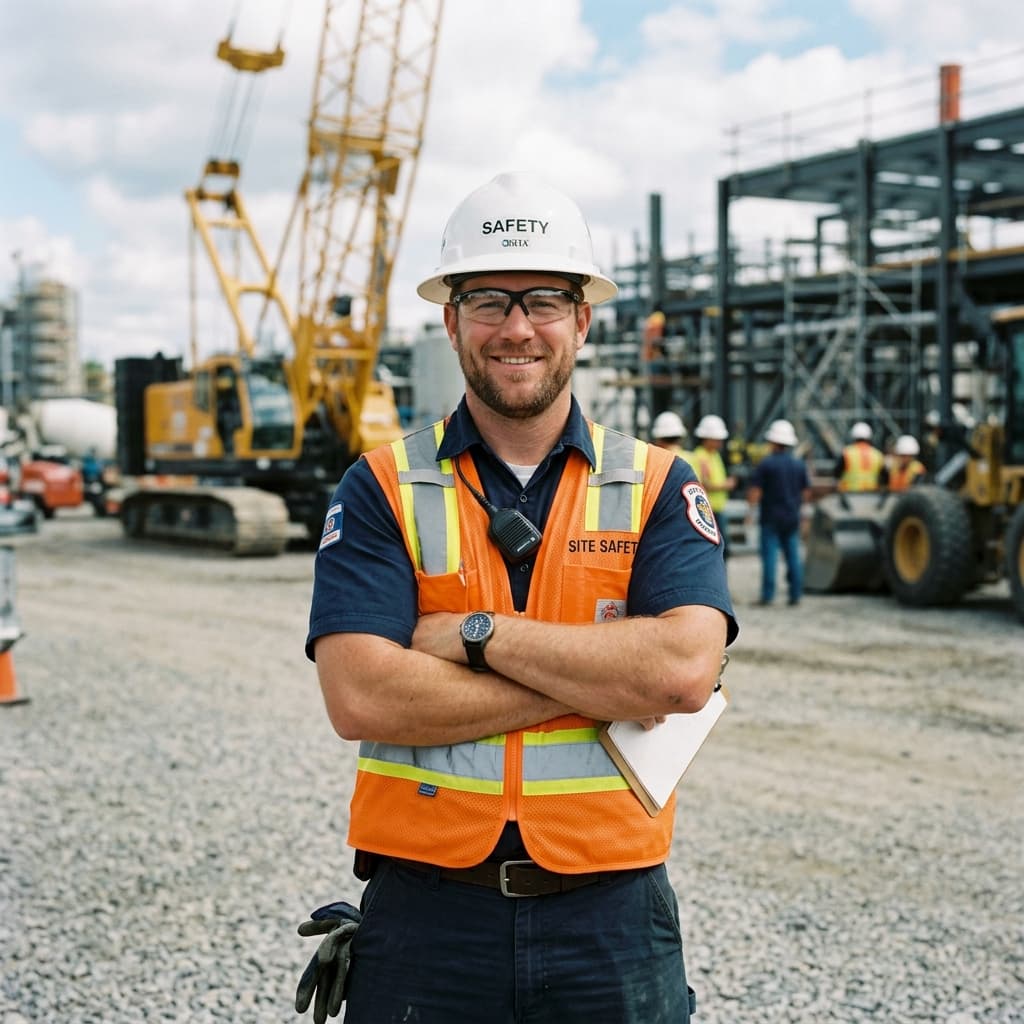
What Our Clients Said
- Expert Safety Training
- Customized Safety Programs
- OSHA Compliance Support
- Industrial Hygiene Surveys
- Onsite Safety Inspections
- Written Safety Program Development
“Brad and his team are very helpful and knowledgeable. They came to our job site and conducted safety training that was not only thorough and compliant, but genuinely engaging for our crew. I highly recommend BHG Safety Partners to any company that takes workplace safety seriously.”
Confined Space Entry Training Questions
We get a lot of the same great questions from new clients. Here are the answers to the ones we hear most often — if yours isn't listed, don't hesitate to reach out directly.
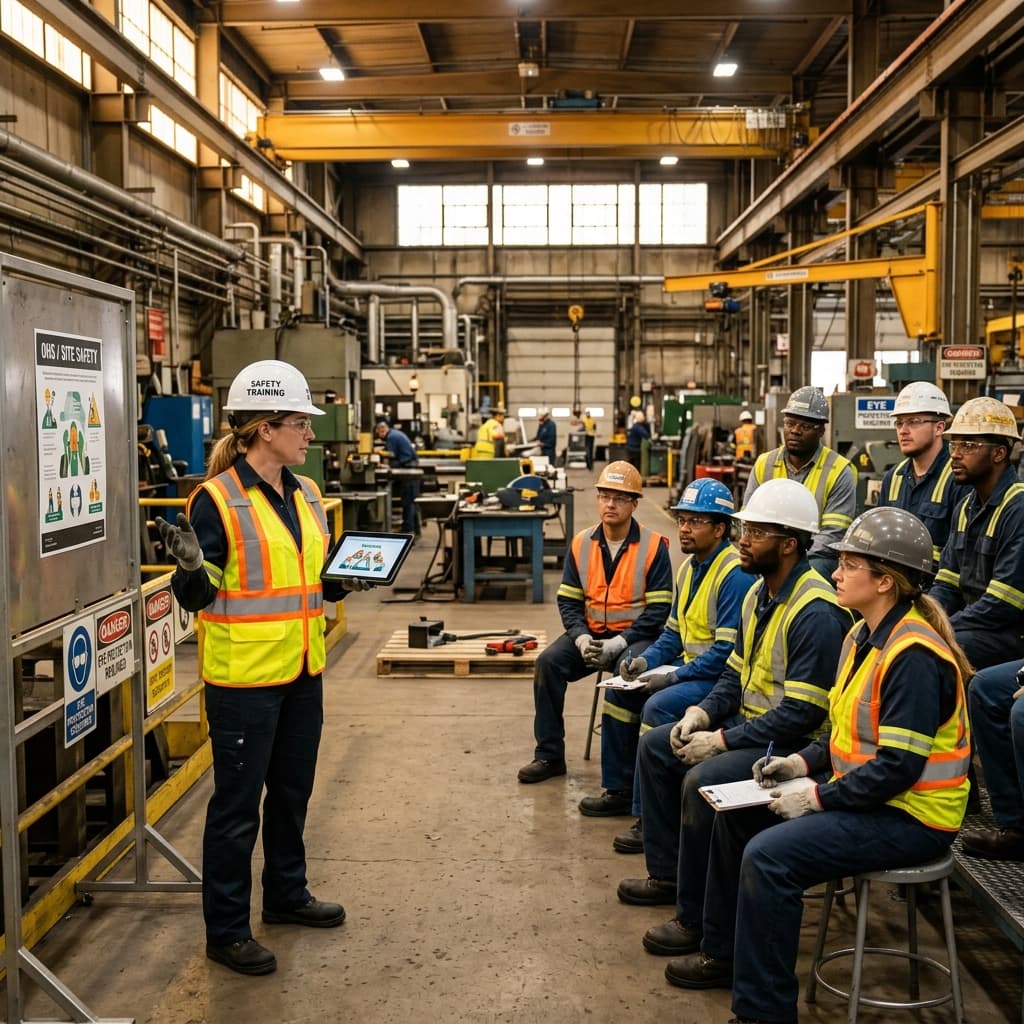
Onsite Safety Training Session